While visiting our friend, Sandra in Norwood, ON, we decided to take a trip to the Petroglyphs Provincial Park. a few kilometres away. At first, we weren’t too sure what to expect. After all, Karen and I have seen petroglyphs and petrographs in Canada, Mexico and the United States before. Was there really anything that could truly surprise us?
Yup! There really was.
From a perspective of Canadian history and Indigenous culture, Petroglyphs Provincial Park is one of the most remarkable places in Ontario, if not all of Canada. Located about an hour northeast of Peterborough, it protects the largest known concentration of Indigenous rock carvings in Canada.
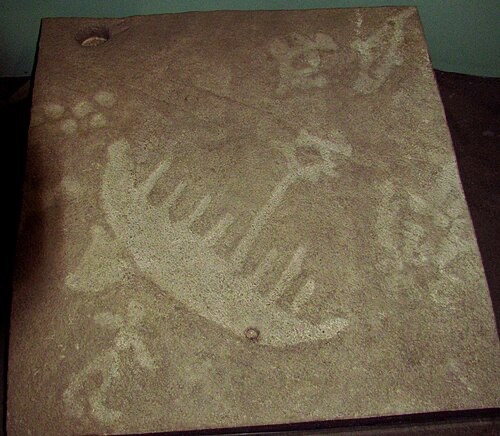
The carvings, known as The Teaching Rocks by the local Ojibway (Anishinaabe) people, were created approximately 600 to 6,000 years ago. More than 900 images have been carved into a white marble outcrop. These images include turtles, snakes, birds, fish, humans, footprints, canoes, and spiritual figures.
The site is considered sacred and continues to hold deep cultural and spiritual significance for Indigenous communities. It is for this reason that photographing and videotaping the rock carvings is not permitted.
To further protect the carvings from weathering and vandalism, they are housed inside a climate-controlled building.
Before visiting the petroglyphs, we took a tour of Learning Place Visitor Centre, where exhibits explain the history of the site. As with most visitors centres, there were many displays of direct and related materials and posters.
One of the exhibits that is particularly highlighted are the teachings of the Medicine Wheel. Some archeologists and Indigenous groups view the medicine wheel as another example of ongoing colonial assault against Indigenous cultures, and has criticized academia for not doing more to protect traditional Indigenous cultures.
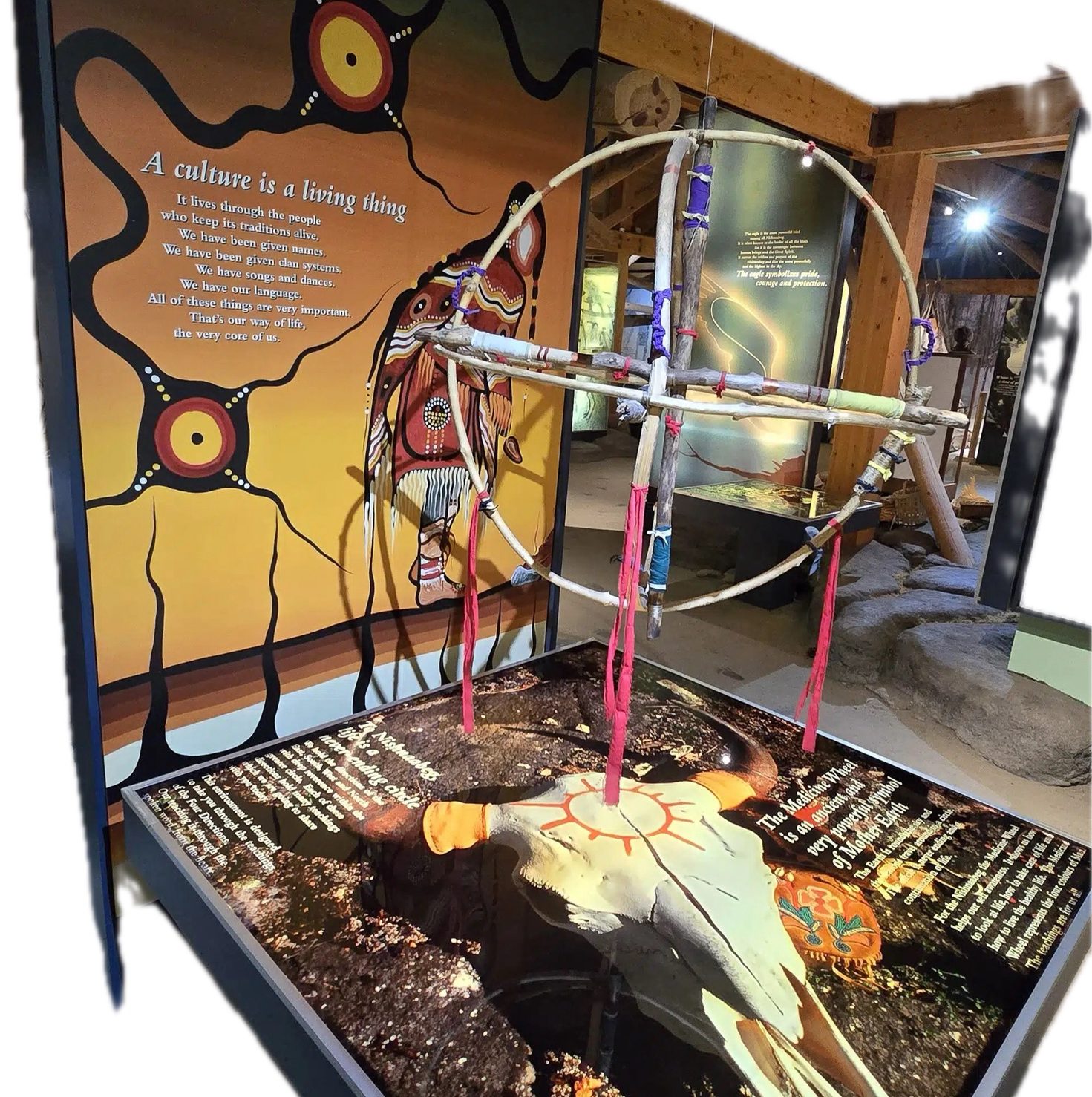
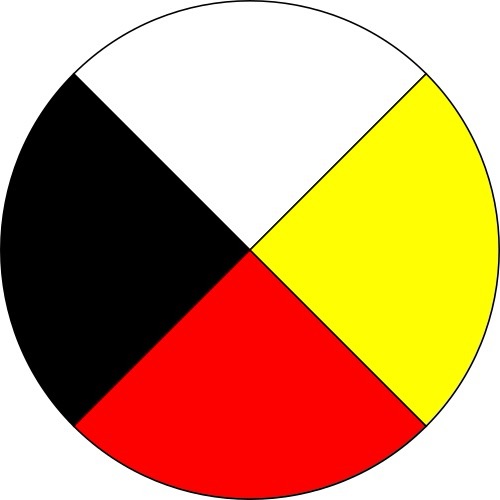
There even seems to be some confusion as to whether the medicine wheel legitimately represents Indigenous culture and teachings. As was explained to me by an Indigenous guide at the centre, The modern medicine wheel symbol was invented as a teaching tool in about 1972 by Charles Storm, in his book Seven Arrows and is further was further expanded upon in his book Lightningbolt. She explained that the four quadrant wheel was not a true representation as it is based upon seasons, and while some cultures believe in the 4 season year, others follow 2, 3, 5 and even 6 season years. Lots still to be learned.
Expect the Unexpected!
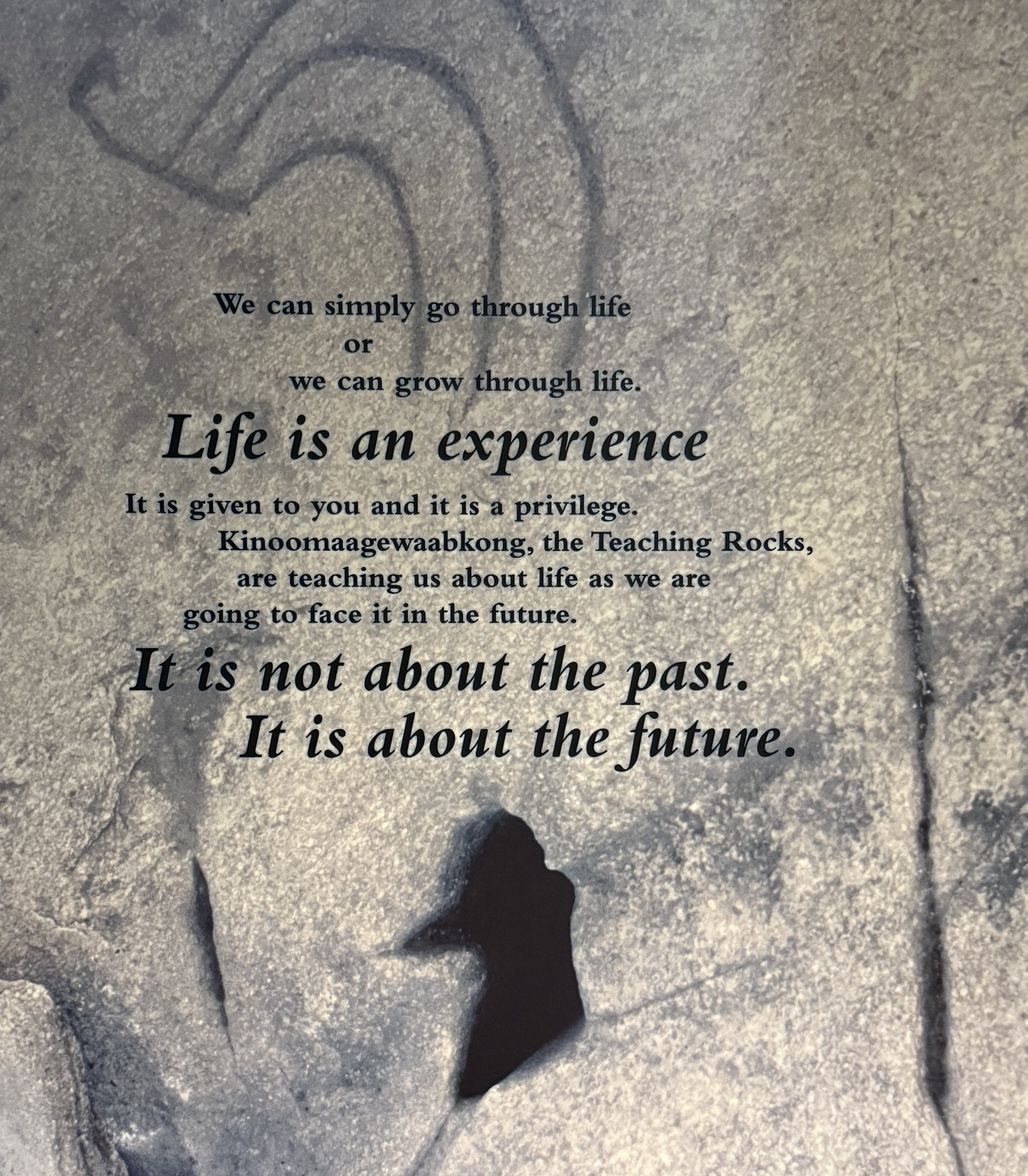
As I wandered through the centre I was amazed when one of the driving objective of The Road To Valour made an unexpected appearance.
There in a poster was a statement that highlighted so much of what the ride was all about — “We can simply go through life or we can grow through life.“
Re-Finding The Road To Valour

