
In my last post, I explored the Victoria Cross (VC) — its origins, its symbolism and its place as the Commonwealth’s highest award for valour in the presence of the enemy. Over the course of history, the VC has been awarded to 99 Canadians, or non-Canadians serving with Canadian forces, marking some (but, only some) of the most extraordinary acts of courage in our military story.
As Canada matured as a nation, so too did the way we recognized heroism. In 1967, during our Centennial year, the government established the Order of Canada (OC), the foundation of a distinctly Canadian honours system. By 1972,the old British Commonwealth system of honours was replaced by a new array of decorations ensuring that Canadians would be recognized by their own country. It had expanded to include new decorations for both civilians and military personnel with the Cross of Valour (CV) established as the highest award.
However, there was one major absence in this new array — the Victoria Cross. For more than a century, the VC had been the ultimate representation of military bravery and commitment in the face of the enemy. Canadians could still technically receive the Commonwealth VC, though none were awarded after the Second World War. Finally, in 1993, following similar moves by Australia and New Zealand — and after much public pressure — Canada created its own: the Canadian Victoria Cross.
The design of this new VC preserves the simplicity and tradition of the original medal, but it also incorporates distinctly Canadian elements. Most notable of these was the Latin inscription Pro Valore (“For Valour”), uniting our two official languages in a single phrase. Since its creation, the Canadian VC has stood as our nation’s highest military honour, reserved for acts of almost unimaginable courage in the face of the enemy.
The VC is to be awarded for “the most conspicuous bravery, a daring or pre-eminent act of valour or self-sacrifice or extreme devotion to duty, in the presence of the enemy”. It may also be presented posthumously. The main distinction between the VC and the CV is the specific reference to “the enemy”, which the Canadian government has defined as a force hostile towards the Canadian Crown, including armed mutineers, rebels, rioters and pirates. This means that war does not officially have to be declared to give acknowledgement of the existence of a hostile force that fits the official description. So, for example, a Canadian serving as part of a peacekeeping operation is eligible to be awarded the VC if the service member fulfils the criteria.
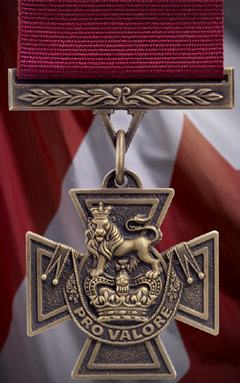
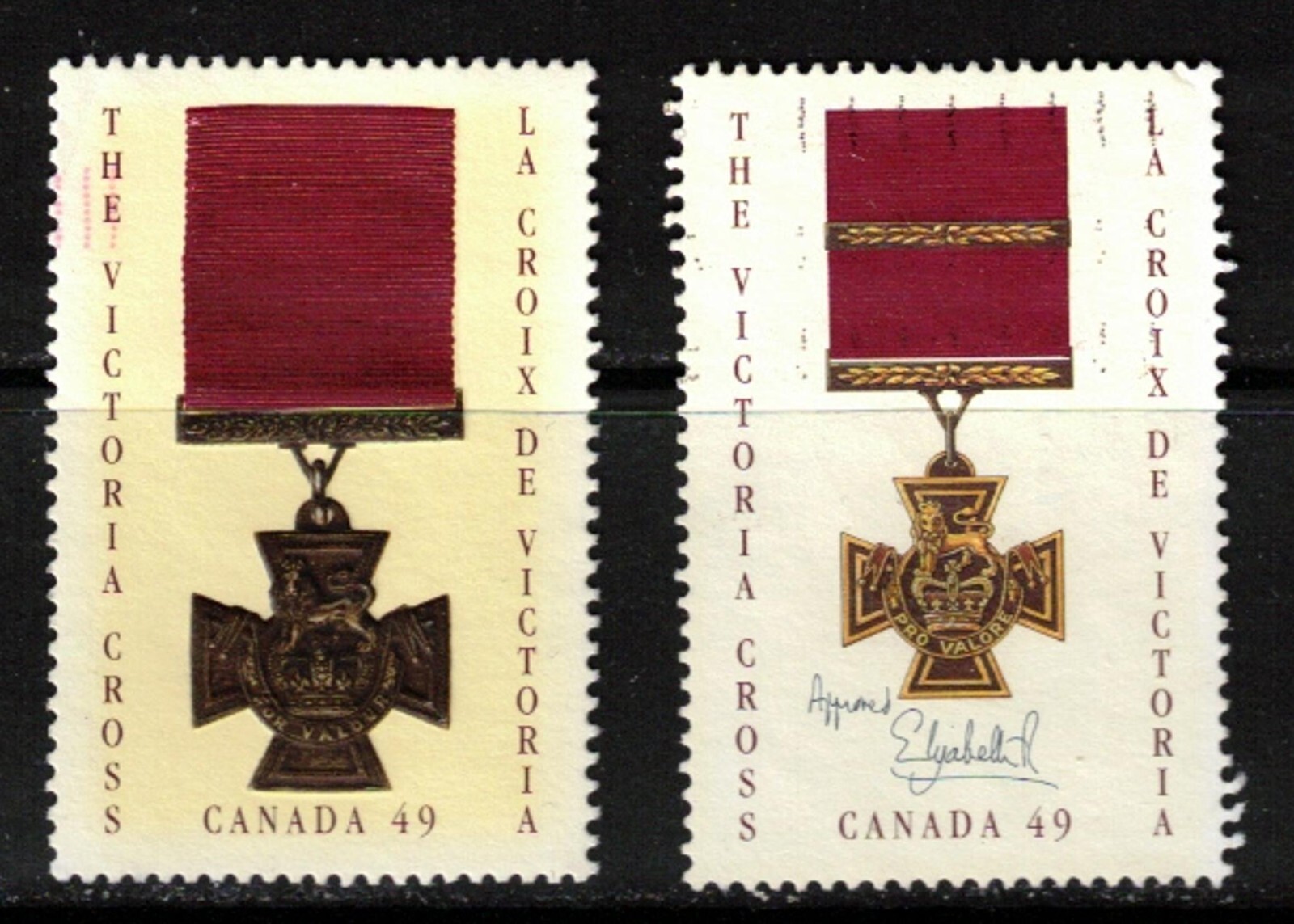
A Medal Never Awarded
The Canadian Victoria Cross can be viewed in one place only — Rideau Hall, the official residence of the Governor General of Canada and the office of the Chancellery of Honours.
In the more than 30 years since its creation, the Canadian Victoria Cross has yet to be awarded.
This is not because Canadian service members have lacked bravery — far from it — but rather because of the extraordinarily high standard required for the honour, the bureaucratic nightmare that a nominee must go through and the lack of honour and courage of the bureaucrats responsible for awarding the medal.
The Canadian VC was established to recognize extraordinary courage. That extraordinary courage has yet to be shown by
The Case of Jess Larochelle
On October 14, 2006, during the Battle of Pashmul in Afghanistan, Private Jess Larochelle of the 1st Battalion, The Royal Canadian Regiment, was manning a machine gun in an observation post when it came under attack by a Taliban force of up to 40 fighters. A rocket-propelled grenade struck the position, killing two of his comrades and severely wounding three others. Larochelle himself was gravely injured, suffering a broken back, a severe concussion, a detached retina, and multiple shrapnel wounds. He even briefly lost consciousness
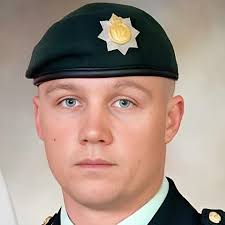
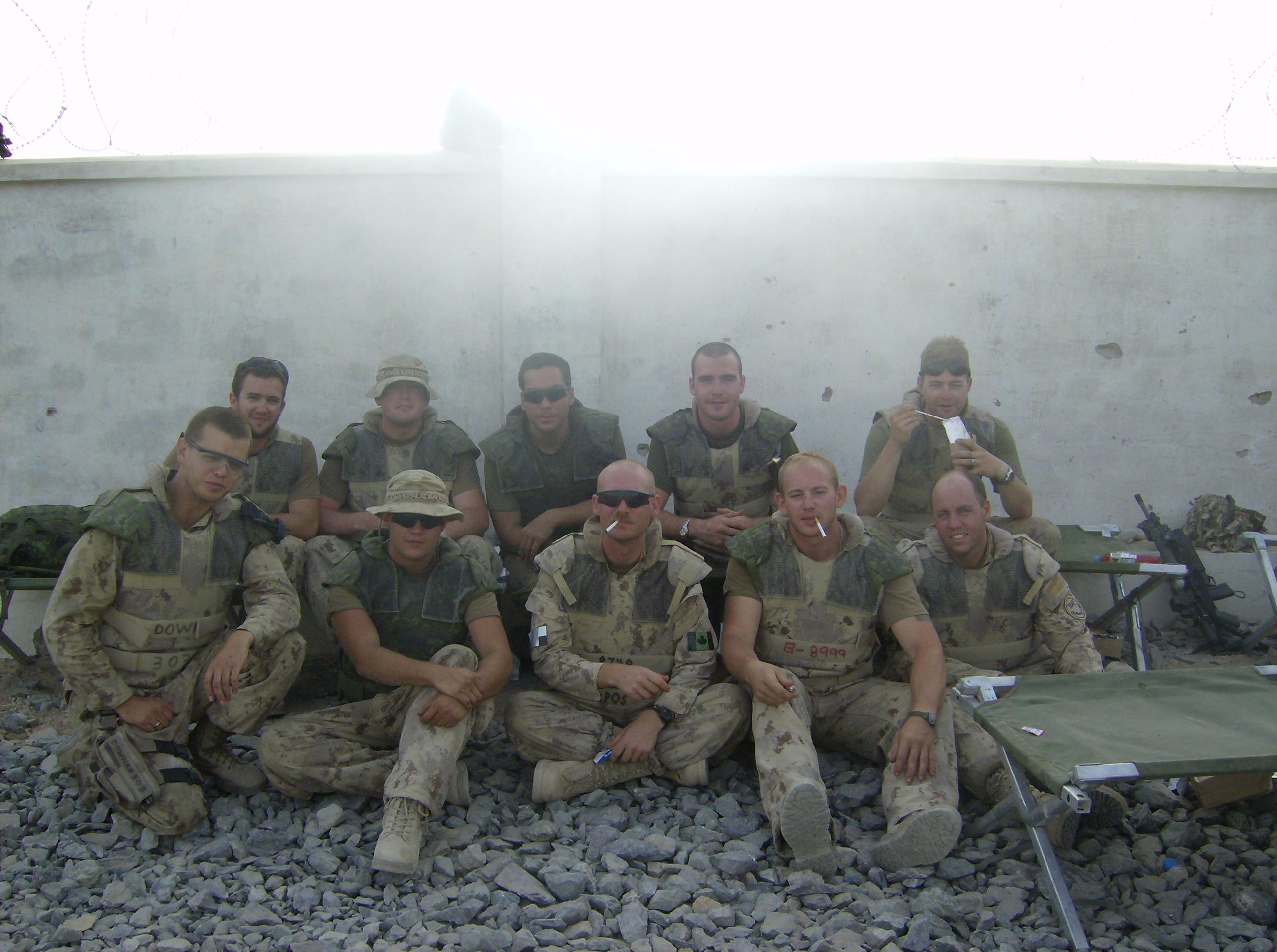
Despite his catastrophic injuries, Larochelle continued to fight. First, he returned fire with his machine gun. When it became unusable, he picked up seventeen M72 rocket launchers and fired them one after another, holding off a determined Taliban assault. His actions not only saved his wounded comrades, but also disrupted the enemy advance. By providing covering fire on the company’s exposed flank, he bought his unit the precious time they needed to regroup and mount a defence. The Taliban were ultimately forced to withdraw, failing to achieve their objective of overrunning the rifle company.
Larochelle’s heroism did not end on the battlefield. He refused medical evacuation until he had helped carry the coffins of his fallen comrades onto the plane that would bring them home.
His official Star of Military Valour citation notes:
For these actions, Larochelle was awarded the Star of Military Valour, Canada’s second-highest military honour. Yet many veterans, historians, and advocates have long argued that his deeds not only met but surpassed the threshold for the Canadian Victoria Cross, placing his story at the very heart of the current movement for recognition.
Although he was alone, severely injured, and under sustained enemy fire in his exposed position at the ruined observation post, he aggressively provided covering fire over the otherwise undefended flank of his company’s position. While two members were killed and three others wounded in the initial attack, Private Larochelle’s heroic actions permitted the remainder of the company to defend their battle positions and to successfully fend off the sustained attack of more than 20 insurgents. His valiant conduct saved the lives of many members of his company.
Citation for Jess Larochelle Star of Military Valour
Suffering from both his battlefield injuries and severe PTSD, Larochelle was formally awarded his decoration at Rideau Hall on the same day he was medically released from the Canadian Forces. He passed away on August 30, 2023, leaving behind a legacy of courage that continues to inspire.
A Call for Recognition – A Call for Action!
When I reflect on the Canadian Victoria Cross, I see it as a bridge between our history and our future. It carries the legacy of all those Canadians who earned the original VC in conflicts past, while standing ready to recognize those who may one day be called to deeds of almost unimaginable courage.
Today, there is a growing call for Canada to finally bestow its first Canadian Victoria Cross and to recognize actions that have been ignored or under-recognized.
As military historian Dr. David O’Keefe has observed:
“Jess not getting the VC is like the Hockey Hall of Fame not letting anyone in, even Wayne Gretzky.”
His words highlight the impossibly high threshold that has prevented Canada from awarding its own Victoria Cross — even in cases, like that of Private Jess Larochelle, where many believe the recognition is unquestionably deserved.
Petition E-6661, supported by Veterans Affairs Canada, the Royal Canadian Legion and many Canadian veterans, urges Parliament to award the Canadian VC to recognize those acts of valour that have gone unrecognized under the current system.
You can read and sign the petition here: Petition E-6661 — Canadian Victoria Cross
Among the strongest advocates is the group Valour in the Presence of the Enemy, a nonprofit organizations dedicated to honouring Canadian soldiers, educating the public about exceptional acts of courage, and advocating for an independent review of unrecognized valour.
Learn More:
Valour in the Presence of the Enemy
Valour in the Presence of the Enemy is a nonprofit organization founded by veterans and families who believe Canada must do more to recognize extraordinary acts of courage. Their mission is to:
- Advocate for the awarding of the Canadian Victoria Cross where it is deserved but has been overlooked.
- Preserve and share stories of valour with the Canadian public through education and outreach.
- Support initiatives like Petition E-6661, pressing Parliament to uphold the spirit of Pro Valore and ensure that the bravest among us are honoured in the highest way possible.
Learn more here: valourinthepresenceoftheenemy.com
In upcoming posts, along with heroes who have been awarded the VC, I will explore the stories of other military heroes who have not been properly recognized.
Along The Road To Valour
 The Road To Valour