
This is a very special day – yeah, it’s my birthday, but apart from that. Today marks 1 year before the start of The Road To Valour ride. Just 365 days before
With this post, I start looking at Canadian military history. I would like to remind you that I am not an historian. I am merely a Canadian military history buff. I have tried to be as accurate as possible with my statements. Yet, inaccuracies are bound to happen in error rather than by design. Please remember this as you read through this and future posts.
What better place to start than at the top? When I refer to the top, I am talking about the top of the of the decorations for valour. Within the Commonwealth the very top is The Victoria Cross (VC).
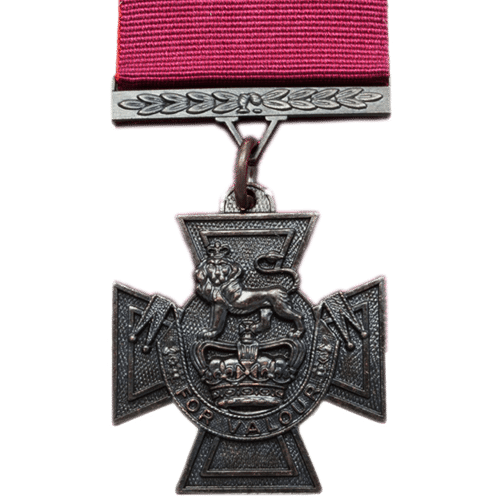
The Victoria Cross is the highest and most prestigious decoration of the British decorations system. It is awarded for valour “in the presence of the enemy” to members of the British Armed Forces and Commonwealth Nations. Under British and Canadian honours practices, the order of precedence is determined by placing the Victoria Cross at the top.
The Origin of the Victoria Cross
The Crimean War was one of the first wars to have active press coverage. Reports coming to the public spoke of great acts of bravery and valour that were going unrewarded. Prior to Crimea, there was no standardized system of awards for valour within the armed forces of the British Empire. Senior officers could see themselves decorated with various grades of the Order of Bath. However, junior officers and enlisted soldiers were overlooked and generally went without recognition. Under growing pressure from the public, as well as the Royal Court, it became apparent that a new award was necessary. The new award would not recognize birth, rank or class.
Queen Victoria took a great deal of personal interest in the development of the award. She insisted that it would be a simple decoration. Yet, it would be highly prized and eagerly sought after by those in the military services. Originally, the award was to be called The Military Order of Victoria. She vetoed that, instead suggesting the name Victoria Cross. The original warrant stated that the VC would only be awarded to officers and men. They had to have served in the presence of the enemy. Additionally, they must have performed some signal act of valour or devotion.
Description of the Victoria Cross
The VC is a bronze cross pattée, bearing the crown of Saint Edward surmounted by a lion, and the inscription “For Valour”. On the reverse of the medal is a circular panel on which the date of the act for which it was awarded is engraved in the centre. The reverse of the suspension bar is engraved with the recipient’s name, rank, number and unit along with the date of the act of valour.
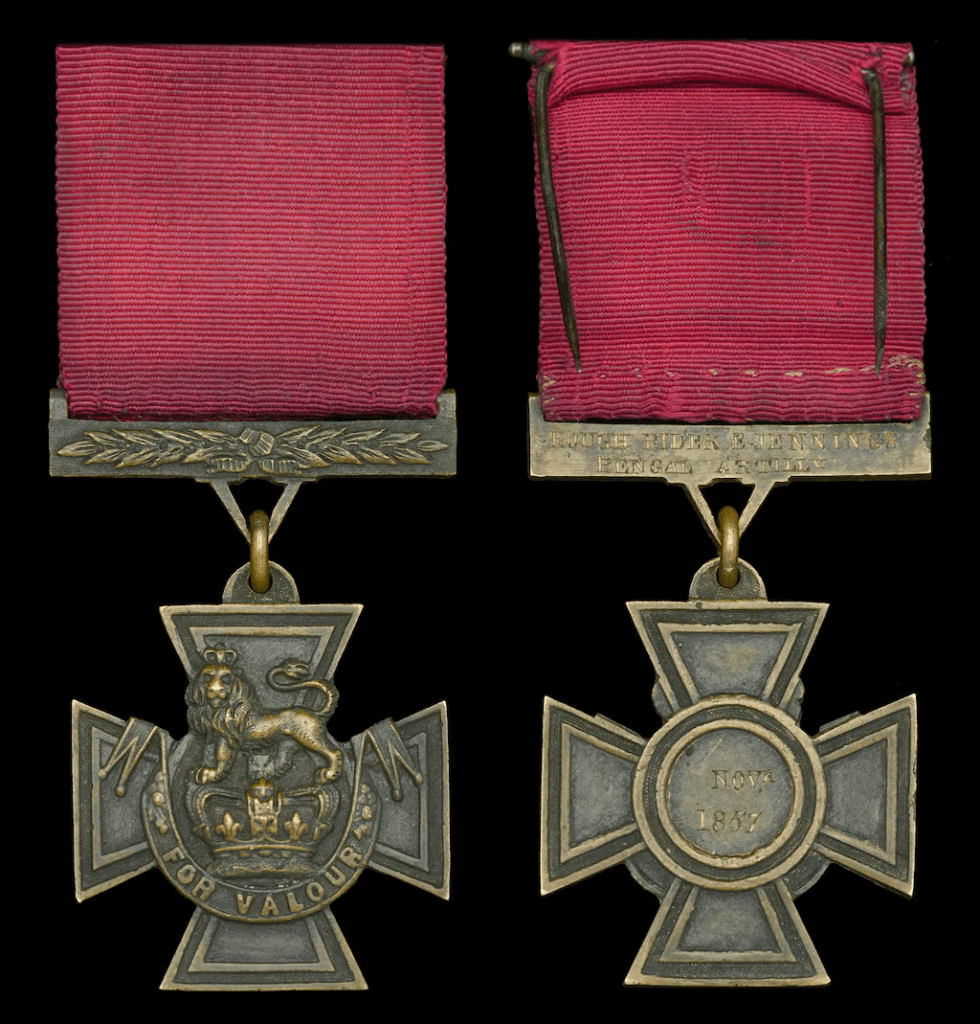
The ribbon is crimson. The original specification for the award stated that the ribbon would be red for army recipients and dark blue for naval recipients. After the formation of the Royal Air Force on 1 April 1918, it was decided to abolish the dark blue ribbon with all future awards using the red ribbon..
Since 1917, a miniature of the Cross has been affixed to the centre of the ribbon bar when worn without the Cross. In the event of a second award bar, a second replica is worn alongside the first.
The traditional belief about the metal used in the VC is interesting. It was thought to be melted down from Russian cannons captured at the siege of Sevastopol. This has since been refuted for most of the VCs produced. Current belief is that for most VCs, the metal comes from Chinese cannons taken during the First Opium War. The remaining metal from the original Russian cannons is currently held under tight security by the Royal Logistics Corps. It can only be removed under armed guard.
Introduction
The VC was introduced on 29 January 1856 by Queen Victoria. However, to honour acts of valour during the Crimean War the order was backdated to 1854. The first ceremony was held on 26 June 1857 in Hyde Park, London. Queen Victoria invested 62 of the 111 Crimean recipients. The VC has been awarded 1,358 times to 1,355. Only 15 have been awarded since World War 2. Eleven to members of the British Army and 4 to members of the Australian Army. No Canadian has earned the VC since World War 2.
Canada and the VC
There have been 1,351 Victoria Crosses and three Bars awarded worldwide. The question of how many Victoria Crosses have been awarded to Canadians is complicated. The total ranges from 90 to 99. So, what makes the question so complicated? It all relates to how you define a Canadian for this purpose. Eight Canadians serving with the British Army or the Royal Navy have been honoured with the VC, and are included in the 90. There have been 8 foreign nationals who joined Canadian units and have won the VC. These include 4 Americans, 1 Englishman, 1 Irishman, 1 Dane and a Ukrainian.
There have been 1,351 Victoria Crosses and three Bars awarded worldwide. The question of how many Victoria Crosses have been awarded to Canadians is complicated. The total ranges from 90 to 99. So, what makes the question so complicated? It all relates to how you define a Canadian for this purpose. Eight Canadians serving with the British Army or the Royal Navy have been honoured with the VC, and are included in the 90. There have been 8 foreign nationals who joined Canadian units and have won the VC. These include 4 Americans, 1 Englishman, 1 Irishman, 1 Dane and a Ukrainian.
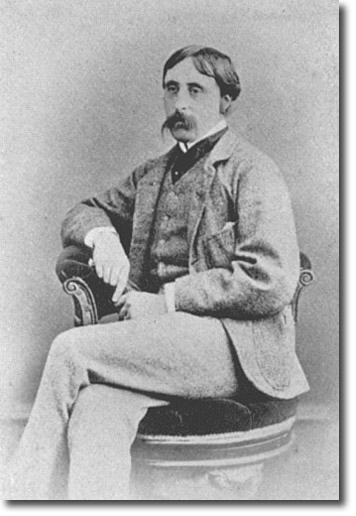
Then there is the case of Tommy Ricketts. Ricketts joined the Newfoundland Regiment in September 1916 when he was only 15 years of age. He was awarded the VC for his actions on 14 October 1918 at just 17 ½. Newfoundland did not become part of Canada until 1949. Newfoundland at war will be the topic of a future post.
Future posts will discuss the specifics of several of Canada’s recipients of the VC.
VCs Awarded to Canadians by War:
Before the South African War – 5 (All serving with the British Army or the Royal Navy)
The South African War – 5 (First VCs awarded to Canadians in Canadian units, also 1 British Army doctor)
World War 1 – 73 (Includes Tommy Ricketts)
World War 2 – 16 (Includes 3 awarded to Canadians serving with the British Army)
Korea – 0
Afghan War – 0
The Canadian Victoria Cross
In 1972, the Canadian honours system underwent a major overhaul. During this overhaul, The Victoria Cross was eliminated from the list of Canadian honours. It was temporarily replaced by the Cross of Valour (CV). The CV is the highest of three Canadian Bravery Decorations. Any of these may be awarded to military or civilians for courageous acts whether of not in the presence of an armed enemy.
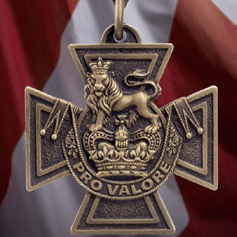
Following the creation of an Australian Victoria Cross in 1991, pressure mounted on the Governor General and the Canadian government to create a Canadian Victoria Cross. It was created in 1993, perpetuating the lineage of the British Victoria Cross. To date, the Canadian Victoria Cross has not been awarded.
The Canadian Victoria Cross and the absence of a recipient will be the subject of a future post.
Welcome to The Road To Valour
 The Road To Valour